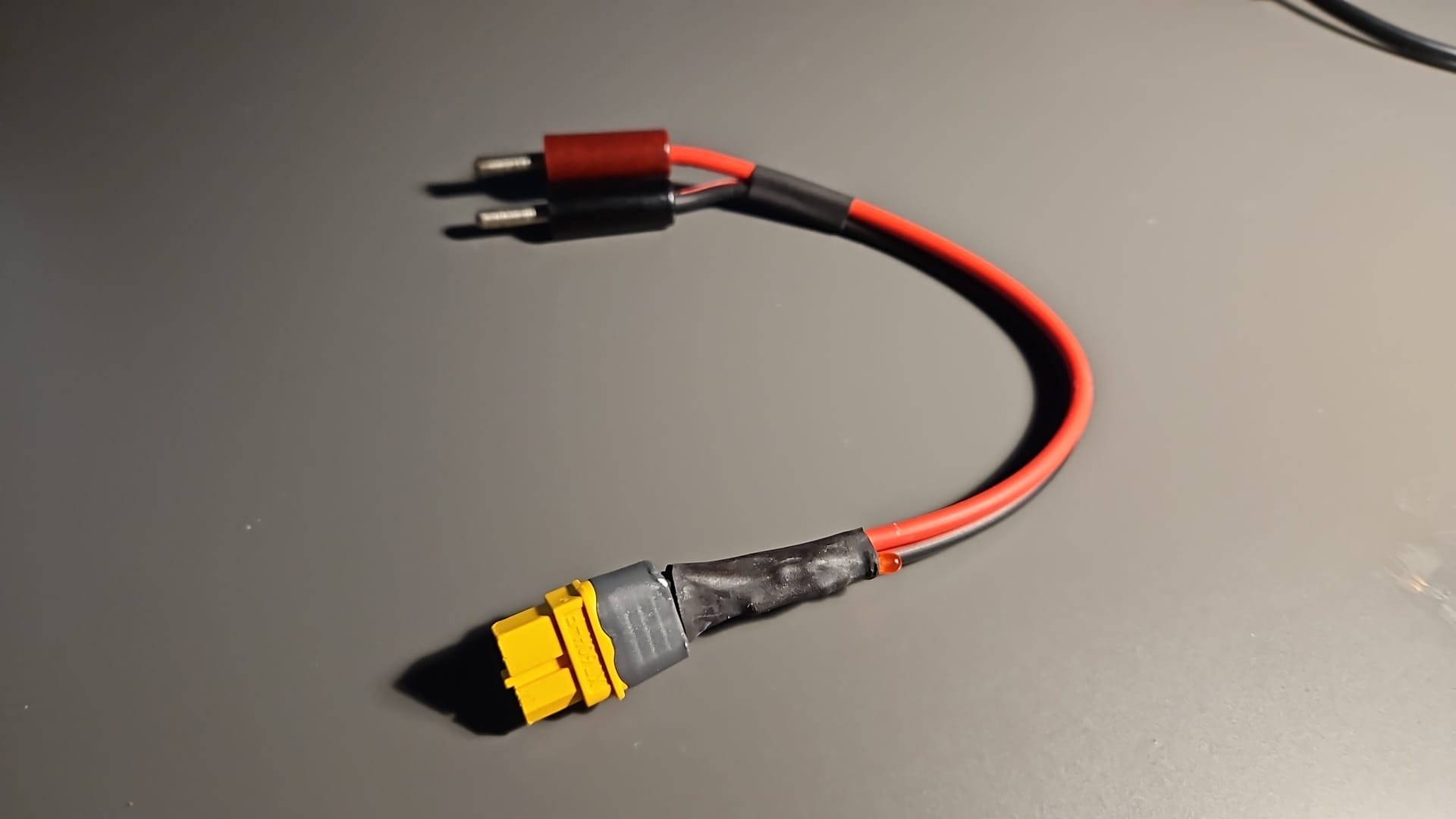
Polarized connectors… and not
In amateur radio, we often work in non-ideal conditions: portable stations set up in a hurry, outdoor activities, civil protection operations, improvised power sources, cold, rain, darkness. In these situations, the most dangerous thing is almost never the lack of power, but human error. The classic polarity reversal is still one of the simplest and fastest ways to literally fry a radio. It’s surprising how quickly an RF final stage can blow or an internal regulator can fail, even with a radio that is apparently “protected.”
This is why choosing polarized connectors is not merely an aesthetic or convenience detail, but a true safety element. A polarized connector has a very simple feature: it physically prevents connection in the wrong orientation. It does not rely on the operator’s attention, nor memory, nor a label written months ago on a cable. It is a system that eliminates error at the root.
Polarized connectors — like XT60, Powerpole — form a true mechanical barrier against polarity reversal. Especially when operating in mobile conditions or with multiple radios and accessories that are swapped around the same station.
The problem arises when you cannot use a polarized connector. It happens more often than you might think. Think of classic car battery clamps: positive and negative are easily distinguishable, certainly, but completely non-polarized. You have to be careful every single time. Or bench power supplies with red and black binding posts: they are convenient, universal, widely used, but they do not prevent reversal in any way. Every time you plug a cable into them you have to perform a visual and mental check, and a moment of distraction is enough to create a short circuit or polarity error.
To avoid these problems, I have long adopted a very simple and extremely effective solution. Whenever I have to use a non-polarized connection, I insert an adapter that terminates with an XT60 or Powerpole and integrate a small polarity LED directly onto the adapter.
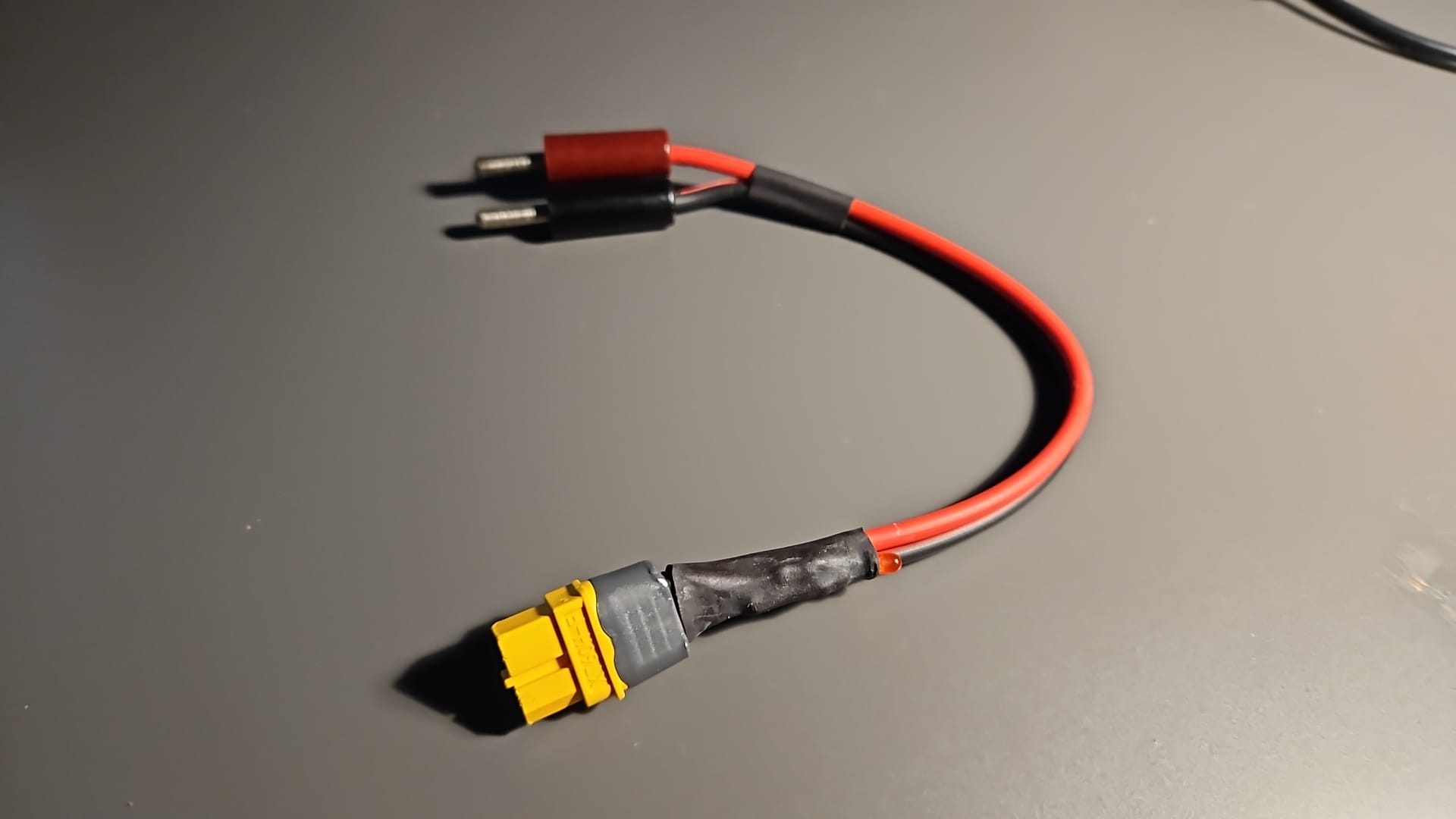
It is a simple and immediate system. If I connect the cable to the car battery clamps or to the power supply binding posts and the LED lights up, I immediately know that polarity is correct. If the LED remains off, something is wrong: either I have reversed the wires or I am drawing power from a power supply that is off or faulty. It always works, requires no tools, requires no concentration, and above all it is visible in all lighting conditions. When using a battery as a power source, it is worth remembering that the LED consumes (a small amount of) power, so it should be disconnected when not in use.
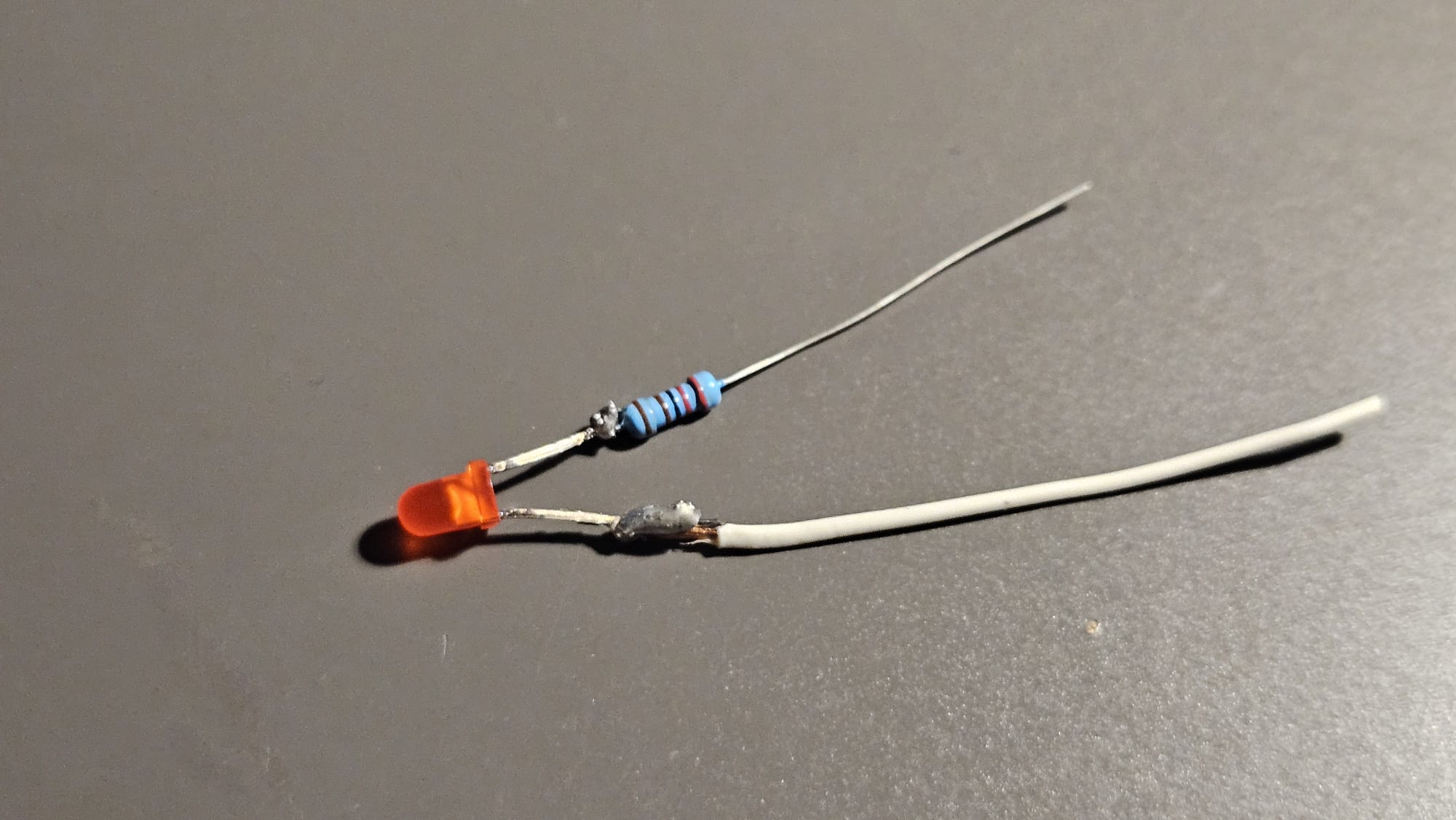
It is very simple to implement: simply solder a resistor >= 820 ohms (I used a 2.2kΩ to reduce consumption) in series with the positive lead of the LED (the longer terminal)
cover the terminals with heat shrink tubing
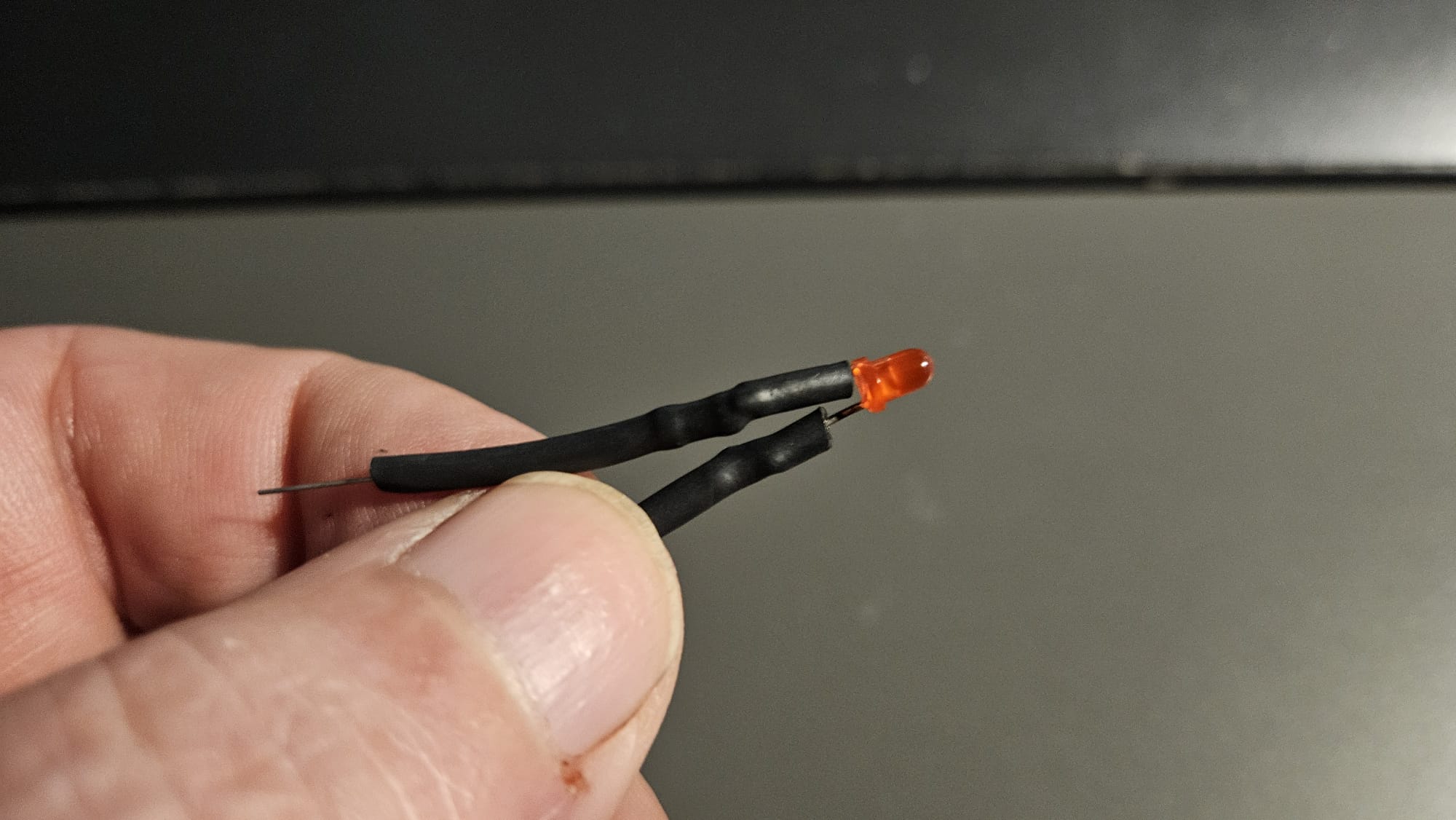
and solder the LED to the connector (with the correct polarity!)
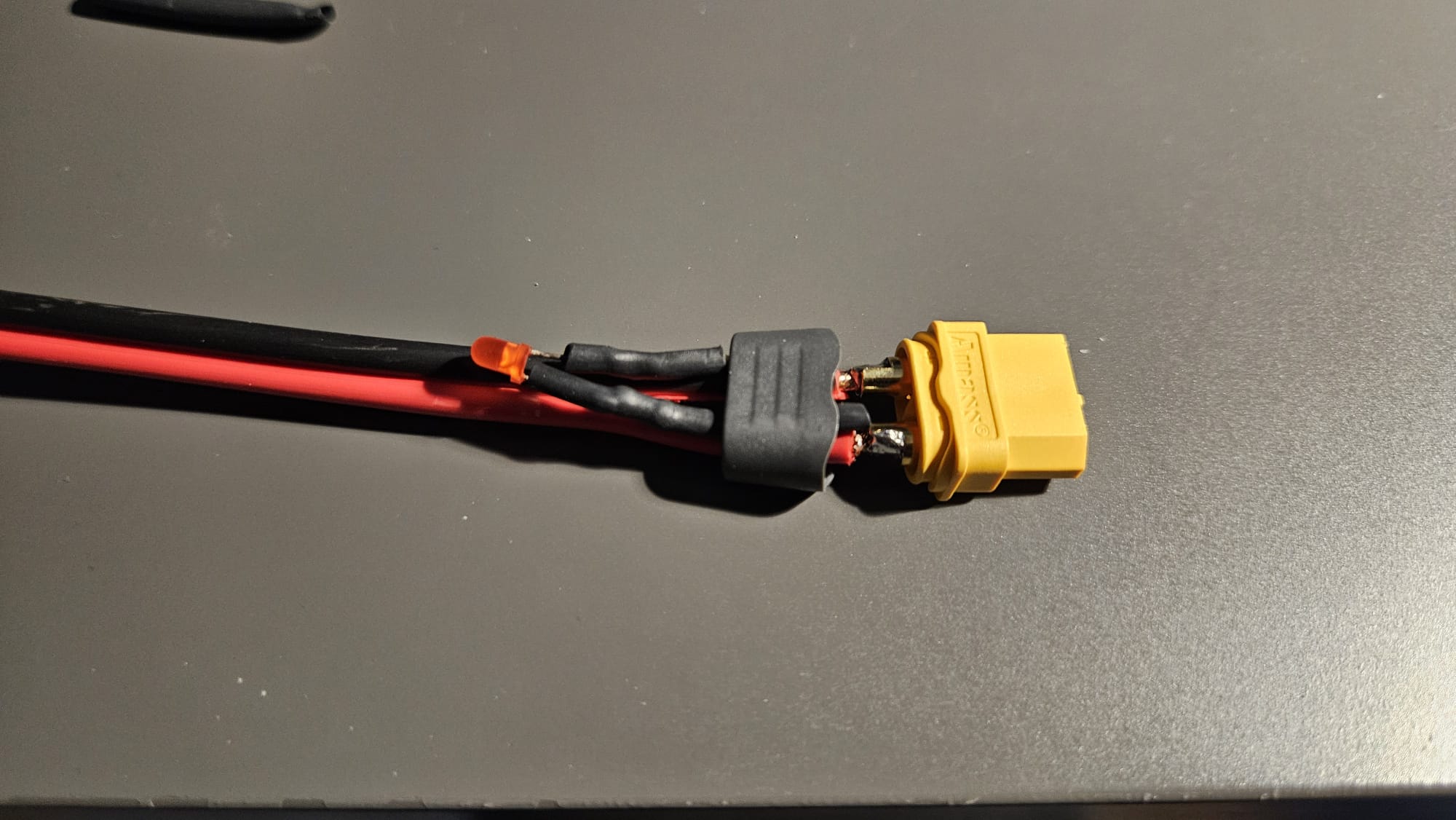
Finally, verify with a multimeter that there are no wiring errors (polarity errors, continuity, and any shorts), and that all voltages are correct.
The beauty of this solution is that it retains all the convenience of your personal standard — in my case XT60 for internal distribution and Powerpole for interoperability — while adding an extra layer of safety whenever I am forced to step outside my polarized ecosystem.
It is a small detail that makes a huge difference, because it completely removes the worry of polarity reversal and allows you to focus on the actual radio activity, whether it’s a field day, a SOTA session, or an emergency operation.
All in all, the rule is always the same: never rely solely on human attention. If you can make an error impossible, do it. And when you can’t, at least make it obvious. A simple LED on the connector instantly tells you whether you are safe or not.
It is one of those trivial solutions that, after trying it, you wonder how you ever managed without it.
Share this content:
Post Comment